


Ostenex™ Back Support Pad
Ostenex™ Back Support Pad
✅ Gentle lower-back support for quick daily stretch sessions
✅ Designed for active recovery, stretching, and daily mobility routines
✅ Portable — fits in a gym bag or office drawer
BUNDLE & SAVE
Couldn't load pickup availability

Ostenex™ Back Support Pad
- American express payment method
- Apple pay payment method
- Diners club payment method
- Discover payment method
- Google pay payment method
- Master payment method
- Paypal payment method
- Shopify pay payment method
- Visa payment method
 Free Shipping
 30-Day Money Back
 1-Year Warranty
📖 How to Use Ostenex™
📖 How to Use Ostenex™
Step 1 - Place on a Flat Surface
Set Ostenex™ on the floor or a firm surface with the curved apex pointing upward.
Step 2 - Lower Your Lower Back Onto It
Slowly lower your lower back onto the curved surface so the apex supports the area where you want a gentle stretch.
Step 3 - Start With Short Sessions
Begin with 5 minutes and gradually extend toward 10 minutes as your body adapts. Use once or twice daily based on comfort.
Step 4 - Use Around Training Carefully
Use before workouts as part of a mobility routine or after training to unwind. Do not exceed 15 minutes per session, and stop immediately if use feels uncomfortable.
📦 Shipping Timeline
📦 Shipping Timeline
Processing Time: 1–3 business days.
Standard Shipping: 8–12 business days (Domestic & International).
Note: Delivery estimates may vary based on local logistics, customs clearance, or seasonal holidays.


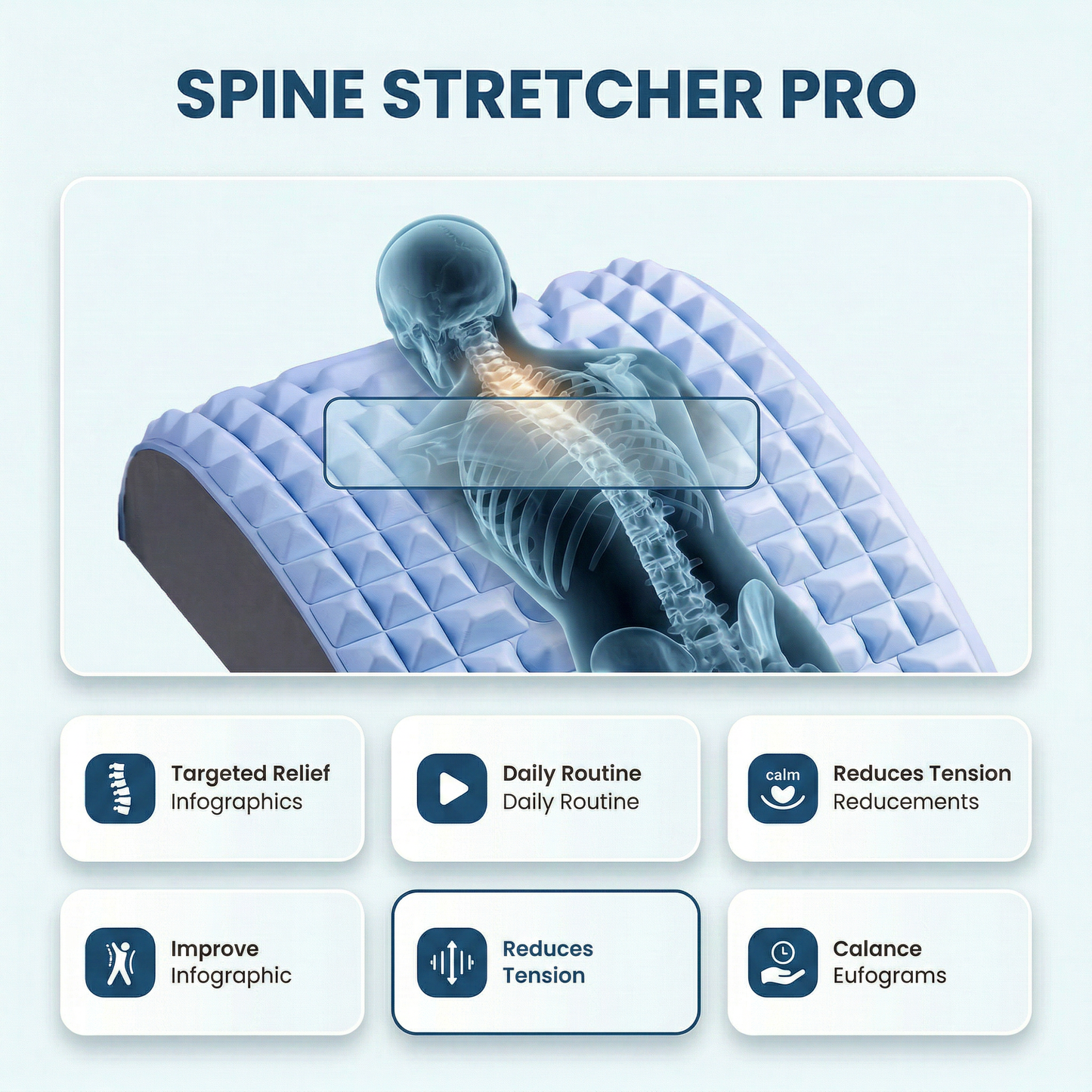
Train harder, recover faster — 10 minutes a day changes everything
Long training sessions, travel, or desk work can leave your lower back feeling tight and compressed. Adding a short stretching routine after activity can help you unwind and feel more comfortable.
Ostenex™ supports that routine with a simple curved design you can use in as little as 10 minutes a day.
Gentle curved support — helps create a comfortable lower-back stretch using body weight
Acupressure nodules — stimulate muscle trigger points to release deep lumbar tension
Firm EVA foam — maintains its shape across thousands of uses without compressing flat
Result: Many athletes and active adults use Ostenex™ as part of a simple stretching routine to unwind after training, travel, or long days at a desk.
Shop with Confidence
Every order is backed by our commitment to quality and your satisfaction.

30-Days Money Back
Full refund, no questions asked.

1-Year Warranty
Premium protection for your peace of mind.

Free Shipping
Free delivery on every order.
Secure Ordering
Safe & Secure Checkout
Common questions
Everything you need to know about Ostenex™
How does Ostenex™ support lower-back stretching?
How does Ostenex™ support lower-back stretching?
Ostenex™ uses a curved foam shape to support a gentle lower-back stretch when you lie back on a flat surface. The shape helps create a simple, comfortable routine for relaxing tight muscles and unwinding after long periods of sitting, training, or travel.
Is Ostenex™ suitable for gym-goers and athletes?
Is Ostenex™ suitable for gym-goers and athletes?
Yes, Ostenex™ is popular among gym-goers, runners, golfers, and cyclists who want a simple lower-back stretch before or after activity. Many people use it as part of a short mobility or recovery routine to feel looser after lifting, training, travel, or long periods of sitting.
How do I use Ostenex™ and for how long?
How do I use Ostenex™ and for how long?
Place Ostenex™ on a flat surface, then slowly lower your lower back onto the curved surface so the apex supports the area where you want a gentle stretch. Start with 5 minutes and gradually extend to 10 minutes as your body adapts. Use once or twice daily based on comfort. Stop use if the stretch feels uncomfortable.
What sizes and pack options are available?
What sizes and pack options are available?
Ostenex™ is available in three colors: blue, pink, and gray. The stretcher measures 33cm x 9.5cm x 24.5cm in the standard single unit. Multi-pack options including 2-pack and 3-pack combinations are available for household or team use, with weights ranging from approximately 380g for a single unit to over 1,000g for bundle packs. Pricing ranges from $3.69 for single units to $27.20 for larger combination packs.
How soon can I expect results from daily use?
How soon can I expect results from daily use?
Many users notice that a short daily session helps them feel looser and more comfortable after use. As with any stretch routine, consistency matters and individual experience may vary.